
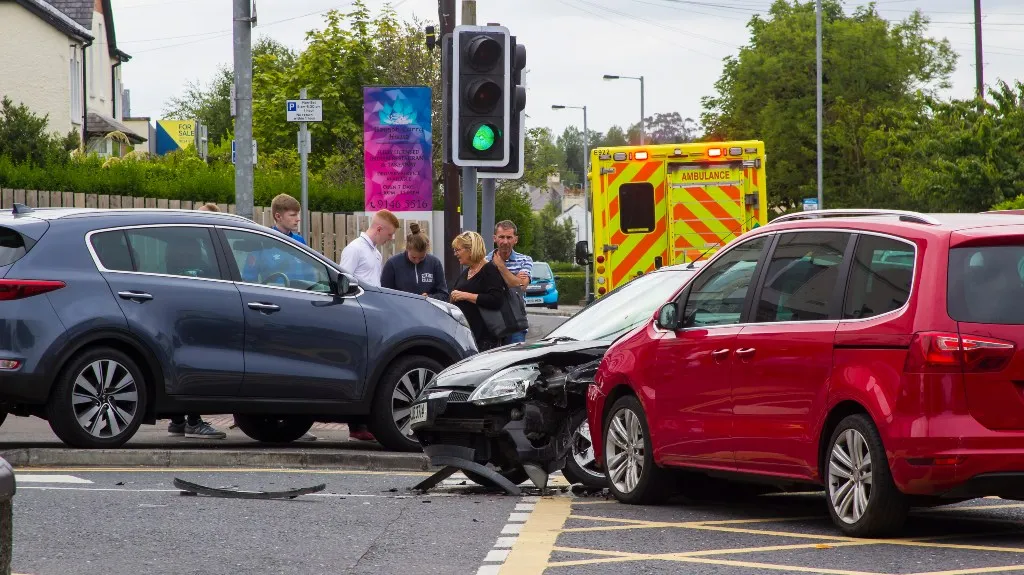
A multi-vehicle accident can be one of the most complicated types of cases to deal with. When there is a pile-up or a chain reaction accident, knowing who caused what damage and injuries can be very confusing. Insurance companies get started shifting blame to anyone but themselves, trying to save money. Other drivers try to blame each other, making things more complicated. Knowing how Georgia’s evidence rules, comparative negligence system, and more work in these cases is best handled with an experienced attorney.
At Underwood Law, LLC, our Georgia motor vehicle accident attorneys are ready to help. We understand how complicated these cases are and how to protect your rights throughout the process.
Georgia Is a Fault State
Georgia uses a fault-based system for nearly all car accidents. This means that whoever caused the accident should be financially responsible for whatever happens. In a multi-vehicle accident, however, this is often far from straightforward. The damage may be the fault of multiple drivers who had to react in the moment. Investigators and insurers will attempt to shift blame or even divide fault in these types of car accidents.
This matters because Georgia uses modified comparative negligence. Under this rule:
- You can recover compensation only if you are less than 50% at fault.
- Your compensation is reduced by your percentage of fault.
For example, if you are found 20% responsible, your recovery is reduced by 20%. If you are 50% or more responsible, you cannot recover anything.
How Fault Is Determined in Multi‑Vehicle Accidents
Georgia law requires fault to be based on evidence, not assumptions. Investigators look at several factors to determine how the crash unfolded.
1. Police Reports
Officers document:
- Vehicle positions
- Driver statements
- Witness accounts
- Road conditions
- Citations issued
While not legally binding, police reports strongly influence insurance decisions.
2. Physical Evidence
This includes:
- Skid marks
- Vehicle damage patterns
- Debris fields
- Impact points
- Airbag deployment data
In chain‑reaction crashes, physical evidence helps determine which vehicle struck first and how the collision progressed.
3. Video Footage
Footage from:
- Traffic cameras
- Nearby businesses
- Dash cams
- Home security systems
4. Witness Statements
Neutral witnesses can clarify:
- Which driver braked suddenly
- Who was following too closely
- Whether someone ran a red light
- How fast vehicles were traveling
Witnesses are especially important when drivers give conflicting accounts.
5. Accident Reconstruction
In serious pile‑ups, insurers or attorneys may hire experts to analyze:
- Vehicle speeds
- Reaction times
- Collision angles
- Sequence of impacts
Reconstruction is common in crashes involving commercial trucks or severe injuries.
Common Fault Scenarios in Georgia Multi‑Vehicle Crashes
Rear‑End Chain Reactions
If Car A rear‑ends Car B, pushing B into Car C, fault may be divided among:
- Car A for following too closely
- Car B if they were distracted or stopped suddenly
- Car C if they were improperly stopped or changing lanes
Georgia does not automatically blame the last car in the chain. Each driver’s actions are evaluated individually.
Intersection Pile‑Ups
These often involve:
- A driver running a red light
- A driver turning without yielding
- Multiple vehicles reacting to the initial impact
Fault may be shared among several drivers depending on how each contributed.
Highway Multi‑Car Collisions
On I‑75, I‑85, I‑20, and other Georgia highways, pile‑ups often involve:
- Speeding
- Tailgating
- Sudden braking
- Poor visibility
- Weather conditions
Fault may be assigned to multiple drivers who failed to maintain safe distances or speeds.
How Insurance Companies Handle Multi‑Vehicle Claims
Insurers conduct their own investigations and may:
- Assign fault percentages to each driver
- Deny claims if they believe you were 50% or more at fault
- Dispute medical treatment or injury severity
- Delay payment while determining liability
What Drivers Should Do After a Multi‑Vehicle Accident
To protect yourself:
- Get medical care immediately
- Take photos and videos of the scene
- Collect witness information
- Request a copy of the police report
- Notify your insurance company promptly
- Avoid giving recorded statements to other insurers
Documentation is critical in multi‑vehicle cases because fault is heavily evidence‑driven.
Get the Help You Need After a Multi-Vehicle Accident: Contact an Experienced Georgia Car Accident Lawyer
If you were hurt in a multi-vehicle accident, we know the challenges you face. Significant injuries and high costs can be very difficult to handle alone. We’re here to help.
Our team at Underwood Law, LLC is ready to help with your needs. Contact us today for a consultation.