
Georgia has very strict helmet laws for motorcyclists. Every motorcyclist is required to wear a DOT-approved helmet, regardless of their age. But in a civil case, the question becomes, can my claim be reduced because I wasn’t wearing a helmet? The short answer is yes, it can reduce your settlement or verdict amount. It is not an automatic bar from compensation, but it will play a part in your case.
At Underwood Law, LLC, our Georgia motorcycle accident attorneys are here to help. Even if you weren’t wearing a helmet, you could be entitled to significant compensation after an accident if it wasn’t your fault. Let us help you understand the nuances of these cases and what you may still be entitled to.
Georgia’s Universal Helmet Requirement
Georgia’s helmet statute applies to:
- Motorcycle operators
- Motorcycle passengers
- Riders on public roads, highways, and streets
- Riders using any two‑wheeled motor vehicle classified as a motorcycle
The helmet must meet U.S. Department of Transportation (DOT) standards. Other unapproved helmets don’t meet the requirement, and could still impact your civil case.
How Not Wearing a Helmet Can Affect Your Motorcycle Accident Claim
1. Comparative Negligence Can Reduce Your Compensation
Georgia follows modified comparative negligence. This means:
- Your compensation is reduced by your percentage of fault.
- If you are 50% or more at fault, you cannot recover damages.
Not wearing a helmet does not automatically make you at fault for the crash itself. However, insurers may argue that your injuries were made worse because you failed to wear one. If they succeed, they may assign you a percentage of fault for the severity of your injuries, even if the other driver caused the collision.
2. Injury Causation Becomes a Major Battleground
Insurance companies often claim that:
- Head injuries
- Facial fractures
- Dental injuries
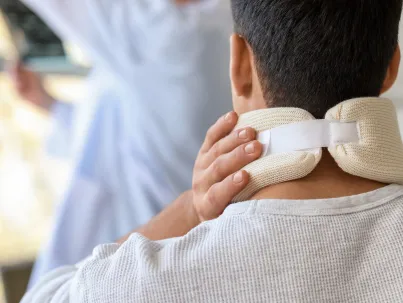
- Neck injuries
- Certain spinal injuries
were worsened by the lack of a helmet.
They may hire medical experts to argue that your injuries are unrelated to the impact of the motorcycle crash and instead stem from your failure to wear protective gear. This tactic is common even when the other driver is clearly at fault.
3. The Insurer May Try to Shift Blame Away From the At‑Fault Driver
When a rider is helmetless, insurers frequently attempt to:
- Minimize the other driver’s negligence
- Argue the rider “assumed the risk”
- Claim the rider contributed significantly to their own injuries
- Push for a lower settlement
These arguments are not always accurate or legally sound, but they can complicate the claim and delay compensation.
What Not Wearing a Helmet Does Not Do
Despite insurance tactics, failing to wear a helmet does not:
- Prevent you from filing a claim
- Automatically make you responsible for the crash
- Bar you from recovering compensation
- Eliminate the other driver’s liability
Georgia law does not say that helmetless riders lose their rights. It simply allows insurers to argue comparative negligence when the lack of a helmet clearly worsened the injuries.
When Helmet Use Matters Most in a Claim
Helmet use becomes especially important in cases involving:
- Traumatic brain injuries (TBIs)
- Concussions
- Skull fractures
- Facial injuries
- Dental trauma
- Neck injuries
- Claims involving permanent disability
If the injury is unrelated to the head or neck, such as broken legs, road rash, or shoulder injuries, the insurer’s helmet argument may carry little weight.
How Riders Can Protect Their Claim After a Crash
Even if you were not wearing a helmet, you can strengthen your claim by:
- Getting immediate medical treatment
- Documenting all injuries
- Preserving your riding gear
- Keeping copies of police reports and witness statements
- Avoiding recorded statements to insurers
- Following all medical recommendations
- Seeking legal guidance early
Medical evidence is often the deciding factor in whether the insurer’s helmet argument succeeds.
You Still Have the Right To Seek Compensation After a Motorcycle Accident—Even If You Weren’t Wearing a Helmet
Not wearing a helmet will very likely impact your case, but it is not a bar to recovery. You can still receive compensation in a properly proven or settled claim. Let an experienced attorney help you understand how it might impact your case, and what your options truly are.
Our team at Underwood Law, LLC are ready to help with your needs. Contact us today for a consultation.